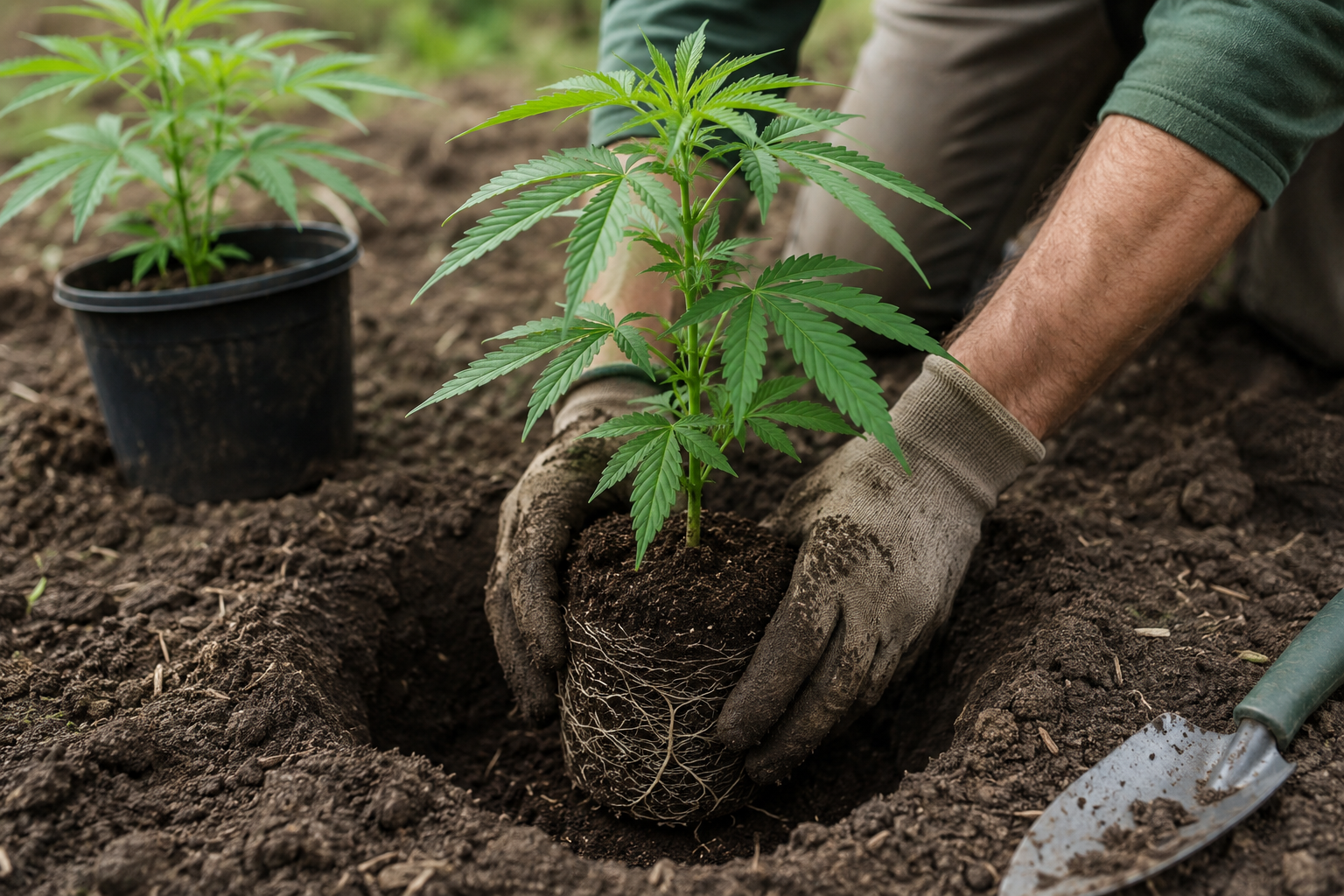

Learn how to optimize irrigation for outdoor CBD hemp cultivation. Discover professional watering strategies, drip system design, water quality management, and moisture monitoring techniques to maximize terpene and resin production.
Water management is one of the most influential factors in outdoor CBD hemp cultivation. Proper irrigation does more than sustain plant growth — it directly affects terpene expression, cannabinoid production, root health, and final flower quality.
Underwatering can stunt development and reduce biomass, while overwatering suffocates roots and increases disease pressure. Professional irrigation strategies aim to create stable moisture conditions that support vigorous growth without stressing the plant.
In this guide, we’ll explore how to optimize irrigation systems, water quality, and moisture management for premium outdoor CBD hemp production.
CBD hemp plants do not require the same amount of water during every stage of development. As the canopy expands and flowering begins, water consumption increases dramatically.
During vegetative growth, most outdoor CBD plants require approximately:
At this stage, the focus is on:
Moderate but consistent irrigation encourages roots to explore deeper soil layers while preventing excessive surface rooting.
The highest water demand occurs between:
During flowering, mature CBD hemp plants may require:
This increased demand supports:
However, irrigation volumes should always be adjusted according to:
Sandy soils typically require more frequent watering, while heavier loam soils retain moisture longer.
The goal is to maintain consistent soil moisture without saturating the root zone.
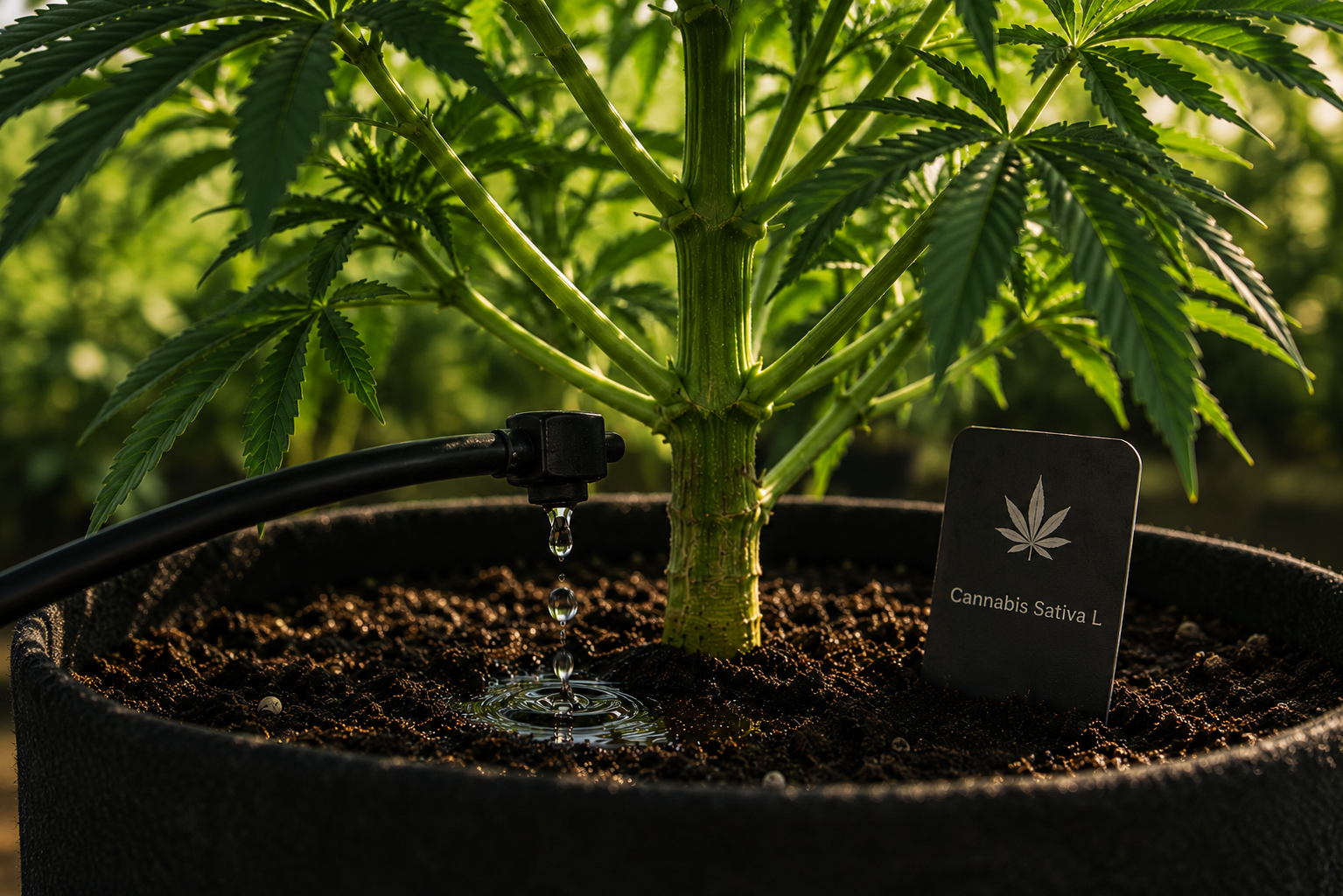
Drip irrigation remains the preferred method for commercial outdoor hemp cultivation because it delivers precise hydration directly to the root zone while minimizing water waste.
For most outdoor CBD plants:
Multiple emitters improve water distribution and encourage broader root expansion.
A professional irrigation system should also include:
Pressure regulators maintain uniform output across the field, while filters prevent sediment and organic particles from clogging emitters.
Fertigation systems allow growers to inject nutrients directly into irrigation lines, improving nutrient efficiency and reducing manual labor.
Well-designed drip systems help create stable root-zone conditions throughout the entire cultivation cycle.
Many growers focus heavily on nutrients while overlooking the quality of the water itself.
Poor water quality can lead to:
For outdoor CBD cultivation, maintain:
Excessively high EC levels can stress plants and interfere with nutrient absorption.
Keep irrigation water within:
This range ensures optimal nutrient availability in the root zone.
Regularly test irrigation sources for:
Clean, balanced water is essential for producing high-quality CBD flowers with strong terpene profiles and premium extraction potential.
Modern outdoor cultivation increasingly relies on sensor-based irrigation management.
Soil moisture sensors and tensiometers allow growers to monitor:
This technology helps prevent:
Maintaining stable moisture conditions improves:
Sensor-guided irrigation delivers water only when plants actually need it, improving efficiency while reducing waste.
For commercial-scale operations, precision irrigation often translates directly into higher-quality harvests and more consistent cannabinoid production.
Premium CBD flower begins with precision cultivation, and irrigation is one of the most important variables growers can control.
By focusing on:
growers can maximize terpene expression, resin production, and overall plant health throughout the outdoor season.
Consistent irrigation practices create stronger plants, cleaner flowers, and more reliable harvest quality year after year.
As the 2026 outdoor season approaches, investing in proper irrigation infrastructure may be one of the most valuable upgrades for long-term cultivation success.
Explore premium outdoor CBD hemp genetics at CBD Seed Europe and prepare your next grow season with confidence.